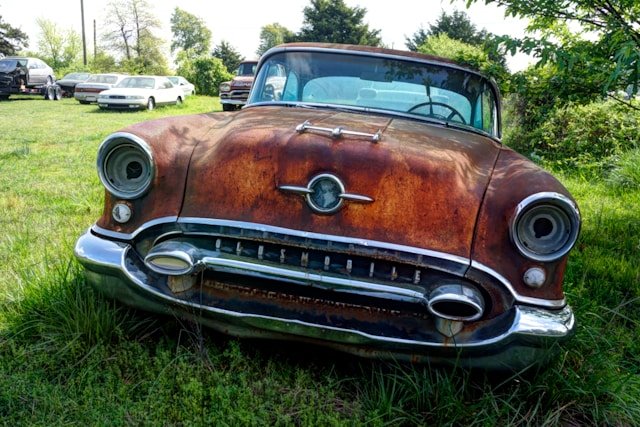
Before there was Ford, Chevrolet, or Chrysler, there was Oldsmobile. Founded in 1897 by Ransom E. Olds, Oldsmobile holds the distinction of being America’s oldest car brand. It started in Lansing, Michigan, with a simple mission: to build reliable, innovative automobiles for a growing nation fascinated by the idea of personal transportation.
Oldsmobile made history early on. In 1901, the company introduced the Curved Dash Oldsmobile, widely recognized as the first mass-produced gasoline-powered car in the United States. It was affordable, practical, and put thousands of Americans behind the wheel for the very first time.
Innovation in Its DNA
Oldsmobile wasn’t just old — it was forward-thinking. Throughout the 20th century, the brand became known for technological firsts. In 1940, Oldsmobile introduced the Hydra-Matic, the world’s first fully automatic transmission. It was a groundbreaking innovation that changed driving forever.
By the 1950s and 1960s, Oldsmobile was firmly established as a leader in style, performance, and comfort. Models like the 88, 98, and Starfire were symbols of mid-century American success. They were big, bold, and built for the open road.
The Muscle Car Years
Oldsmobile joined the muscle car craze in the late 1960s with one of its most famous models: the 442. Originally a performance package for the Cutlass, the 442 quickly became its own model, boasting powerful V8 engines and aggressive styling. It was a car that could hold its own against the Pontiac GTO, Chevrolet Chevelle SS, and Dodge Charger.
Another standout was the Toronado, introduced in 1966. It was a large, front-wheel-drive coupe — a rarity in the American market at the time — and it combined luxury with muscle in a way that set it apart from competitors.
A Brand for Every Generation
For many Americans in the 1970s and 1980s, Oldsmobile was a family favorite. The Cutlass Supreme was the best-selling car in America for several years during the late 1970s and early 1980s. The brand struck a balance between comfort, style, and price that appealed to middle-class buyers.
Whether it was the roomy Delta 88, the sporty 442, or the futuristic-looking Toronado, Oldsmobile had something for everyone. It was a brand your parents trusted, your neighbors drove, and your kids learned to ride in.
The Signs of Trouble
But by the late 1980s and into the 1990s, cracks began to show. Competition from foreign automakers — especially Toyota, Honda, and Nissan — was fierce. These companies offered cars that were smaller, more fuel-efficient, and often more reliable than many American models.
Oldsmobile began to lose its unique identity. Many of its cars shared designs and mechanical components with other General Motors brands, making it harder to tell them apart. What once made Oldsmobile special — its innovation and style — was getting lost in a sea of similar-looking sedans.
GM tried to modernize Oldsmobile’s image in the 1990s, introducing new models like the Aurora and giving the brand a sleeker, more contemporary look. But while these cars had their fans, they didn’t bring enough new buyers into showrooms.
The Final Years
By the late 1990s, sales had dropped sharply. Oldsmobile, once a cornerstone of GM’s empire, was struggling to justify its place in the lineup. In December 2000, General Motors made the difficult announcement: Oldsmobile would be phased out.
The decision marked the end of an era. The brand that had started the American car story would be no more.
The final Oldsmobile — an Alero — rolled off the assembly line in Lansing, Michigan, on April 29, 2004. Workers signed the car’s hood before it was sent to the R.E. Olds Transportation Museum, a symbolic farewell to a brand that had lasted 107 years.
Why Oldsmobile Mattered
For over a century, Oldsmobile represented a blend of tradition and innovation. It was a brand that adapted to the times, but always with its own flair. It gave us cars that were stylish without being flashy, powerful without being impractical.
Oldsmobile was there for countless milestones — family road trips, first cars, weddings, and Sunday drives. For many, it was the first new car they ever owned. It was the car you trusted to get you through a snowstorm or across the country.
The Legacy Lives On
Even though Oldsmobile is gone from dealerships, it lives on in garages, car shows, and the hearts of enthusiasts. The 442 remains a muscle car legend. The Toronado is still admired for its bold design and engineering. And the Cutlass Supreme remains a beloved classic from the golden age of American sedans.
Collectors and hobbyists keep these cars alive, restoring them, preserving them, and sharing their stories. There’s still something about that Oldsmobile badge that sparks conversation and nostalgia.
Oldsmobile’s disappearance was part of a broader shift in the American auto industry — one where market forces, competition, and changing consumer tastes reshaped the landscape. But while the brand may have faded from the marketplace, its history remains an important chapter in the story of American motoring.
From the Curved Dash to the Cutlass, from the Toronado to the Aurora, Oldsmobile left behind more than just a line of cars. It left behind memories, innovation, and a spirit that can still be felt whenever one of its classics rumbles down the road.