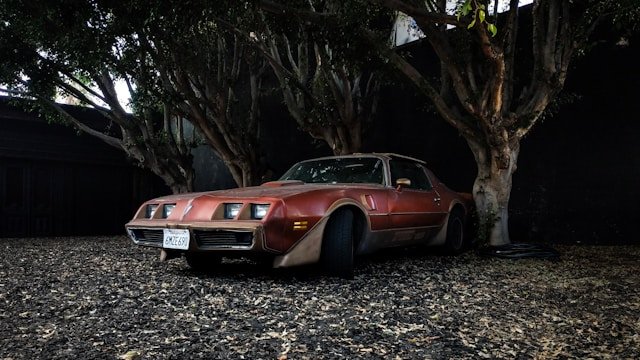
Pontiac was never meant to be ordinary. Launched in 1926 as a companion brand to General Motors’ Oakland division, Pontiac quickly gained popularity for offering stylish, performance-oriented vehicles at affordable prices. By the late 1930s, Pontiac had eclipsed Oakland entirely, becoming a full-fledged division within GM and earning a reputation for dependable, good-looking cars.
But Pontiac really hit its stride in the postwar era. As America fell in love with cars and the open road, Pontiac positioned itself as a brand for drivers who wanted more than just transportation — they wanted excitement. And for several decades, that’s exactly what Pontiac delivered.
The Muscle Car Revolution
In the 1960s, Pontiac helped ignite the muscle car era with the introduction of the 1964 GTO. Born from a bold idea to drop a powerful V8 engine into a mid-size car, the GTO set a new standard for American performance. It wasn’t just fast — it was loud, stylish, and full of attitude. Young drivers flocked to it, and other automakers scrambled to catch up.
The success of the GTO put Pontiac on the map as a performance brand. Soon, other hits followed: the Firebird, the Grand Prix, and the Trans Am became iconic models in their own right. The Trans Am, in particular, reached cult status in the 1970s thanks to Smokey and the Bandit, a movie that turned a black-and-gold muscle car into a star.
By the end of the 1960s, Pontiac was one of the top-selling car brands in America. In 1968 alone, Pontiac sold over 900,000 vehicles, placing it third behind only Chevrolet and Ford. For many, owning a Pontiac wasn’t just about getting from point A to B — it was about making a statement.
The Changing Times
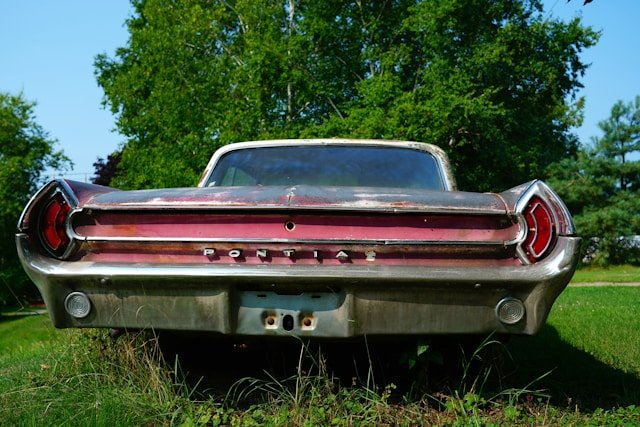
But like all good stories, Pontiac’s golden era didn’t last forever.
The 1970s brought new challenges to the American auto industry. Rising fuel prices, increased government regulations, and growing competition from Japanese and European automakers forced U.S. carmakers to rethink their strategies. Fuel economy and safety suddenly mattered more than raw horsepower and flashy styling.
Pontiac tried to adapt, but the transition wasn’t smooth. While the brand continued to release sporty models like the Fiero and later versions of the Firebird, it began to lose the distinct identity that had once set it apart. Many Pontiacs in the 1980s and 1990s shared platforms, parts, and styling cues with other GM brands, particularly Chevrolet and Buick. As a result, the brand started to feel redundant.
Worse yet, the performance image that Pontiac had cultivated began to fade. Marketing slogans like “We Build Excitement” didn’t always match the cars being sold. Buyers started to look elsewhere — especially younger drivers, who were turning to more fuel-efficient and reliable vehicles from Toyota, Honda, and Nissan.
A Crisis and a Decision
In the early 2000s, Pontiac was still hanging on. GM attempted to revive the brand’s image with models like the GTO revival (imported from Australia) and the Solstice, a stylish little roadster that briefly attracted attention. But the damage had been done — Pontiac was no longer a market leader, and its lineup had shrunk dramatically.
Then came the 2008 financial crisis. General Motors was hit hard and ultimately accepted a government bailout to stay afloat. As part of the restructuring plan, GM made the difficult decision to shut down several of its brands — including Pontiac.
In April 2009, GM officially announced the phase-out of Pontiac. Over the following year, production wound down. The final Pontiac model — a 2010 G6 — rolled off the line in early 2010.
Just like that, a brand that had once symbolized American performance and style was gone.
What Pontiac Meant to a Generation
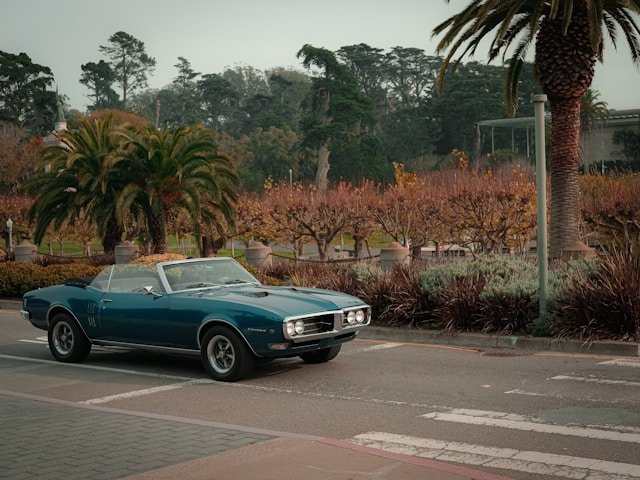
For millions of Americans, Pontiac wasn’t just a car brand — it was part of their story. It was the car they took to prom. The car they drove across the country. The car they rebuilt with their dad in the garage. It was freedom, youth, independence, and personality.
Even today, classic Pontiacs are cherished by collectors and enthusiasts. Whether it’s a pristine GTO at a summer car show, a Trans Am roaring down a back road, or a family-owned Bonneville that’s been lovingly preserved for decades, these cars continue to turn heads and stir emotions.
Online communities, car clubs, and restoration forums are filled with people who still live and breathe Pontiac. Some still drive them daily. Others spend weekends tracking down rare parts. Many simply share stories and photos — keeping the spirit alive in their own way.
Will Pontiac Ever Return?
There’s been speculation over the years — could GM ever bring Pontiac back? So far, the answer seems to be no. GM has doubled down on its remaining brands, focusing on trucks, SUVs, and electric vehicles. The idea of relaunching a performance brand like Pontiac doesn’t seem to fit their current strategy.
Still, in a world of soulless crossovers and software updates, the memory of Pontiac feels more alive than ever. It represents something real, mechanical, and uniquely American.
Final Thoughts
Pontiac may be gone from dealerships and production lines, but it lives on in driveways, garages, and memories. It lives on in the sound of a V8 starting up on a cool morning, in faded photos from road trips past, and in the unmistakable lines of a Firebird cresting a hill at sunset.
It was more than just a car — it was a chapter in American life.