Tesla still rules the roost, but the electric gold rush has hit a rough patch
If you’ve been wondering whether the EV revolution is still on schedule, the Q1 2026 numbers are in and the answer is complicated. U.S. electric vehicle sales got smacked around again — but not as badly as the quarter before, and some brands are actually thriving while others are taking it on the chin. Ford, unfortunately, is squarely in the second camp.
The Big Picture

According to fresh data from Cox Automotive, EV sales in the U.S. dropped 27 percent year-over-year in the first quarter, landing at 216,399 units. On the surface, that’s a brutal number. But compared to Q4 2025, sales were only down 7.8 percent — a much softer slide than the 46 percent quarter-over-quarter cliff the market fell off at the end of last year when federal EV incentives disappeared.
EVs accounted for 5.8 percent of all new vehicle sales in Q1, exactly flat with Q4 2025. That’s a long way from the 10.6 percent peak hit back in Q3 2025, but at least the free fall appears to be over. Think of it like a stock that crashed and is now finding its floor — not healthy, but not in a death spiral either.
Tesla Still Owns the Room
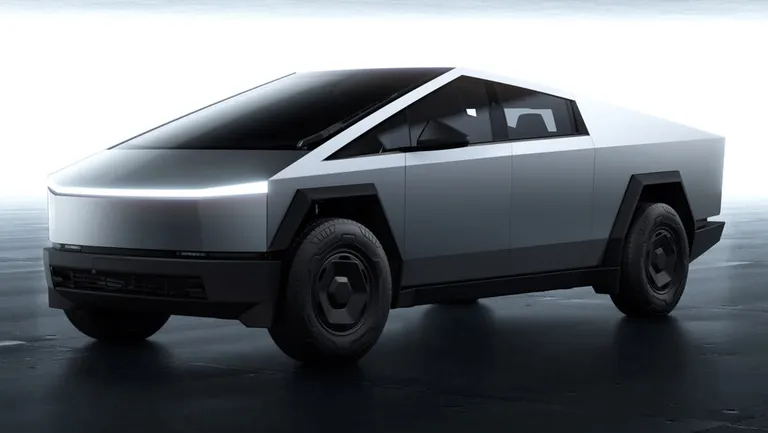
Whatever else you think about Elon and his various side projects, Tesla is still the undisputed heavyweight champ of the U.S. EV market. The brand moved 117,300 EVs in Q1 for a staggering 54.2 percent market share. That’s more than every other automaker combined. Let that sink in — one company is outselling the entire rest of the industry put together.
The Model Y is doing the heavy lifting. The crossover sold 78,591 units in Q1, up 22.7 percent year-over-year, and accounted for more than one in every three EVs sold in America. One car. One-third of the market. The Model 3 came in second at 31,672 units even though it was down nearly 40 percent year-over-year. When your second-place car is having a bad year and still outselling almost everything else on the board, that’s a moat.
The Winners Nobody Expected
Here’s where it gets interesting for car guys who’ve been watching this space. Toyota — yeah, the brand old-school buyers trust with their lives — nearly doubled its EV sales. Cadillac, Lexus, Rivian, and Lucid were the other bright spots in an otherwise rough quarter.
Toyota’s jump makes sense when you think about it. The brand took its sweet time getting into the EV game, catching plenty of heat for it along the way. But while everybody else was rushing product to market and then slashing prices when demand softened, Toyota was biding its time and refining the playbook. Now they’re showing up with product that works, at prices that pencil out, to a buyer base that’s been loyal to the brand for generations. That’s how you do it.
Cadillac’s resurgence is another story worth watching. The brand that once defined American luxury with land yachts like the Eldorado and the Fleetwood Brougham is carving out real EV territory with the Lyriq and its siblings. Your grandpa wouldn’t recognize the Cadillac showroom, but the name still means something — and apparently it still moves metal.
Ford’s Tough Quarter
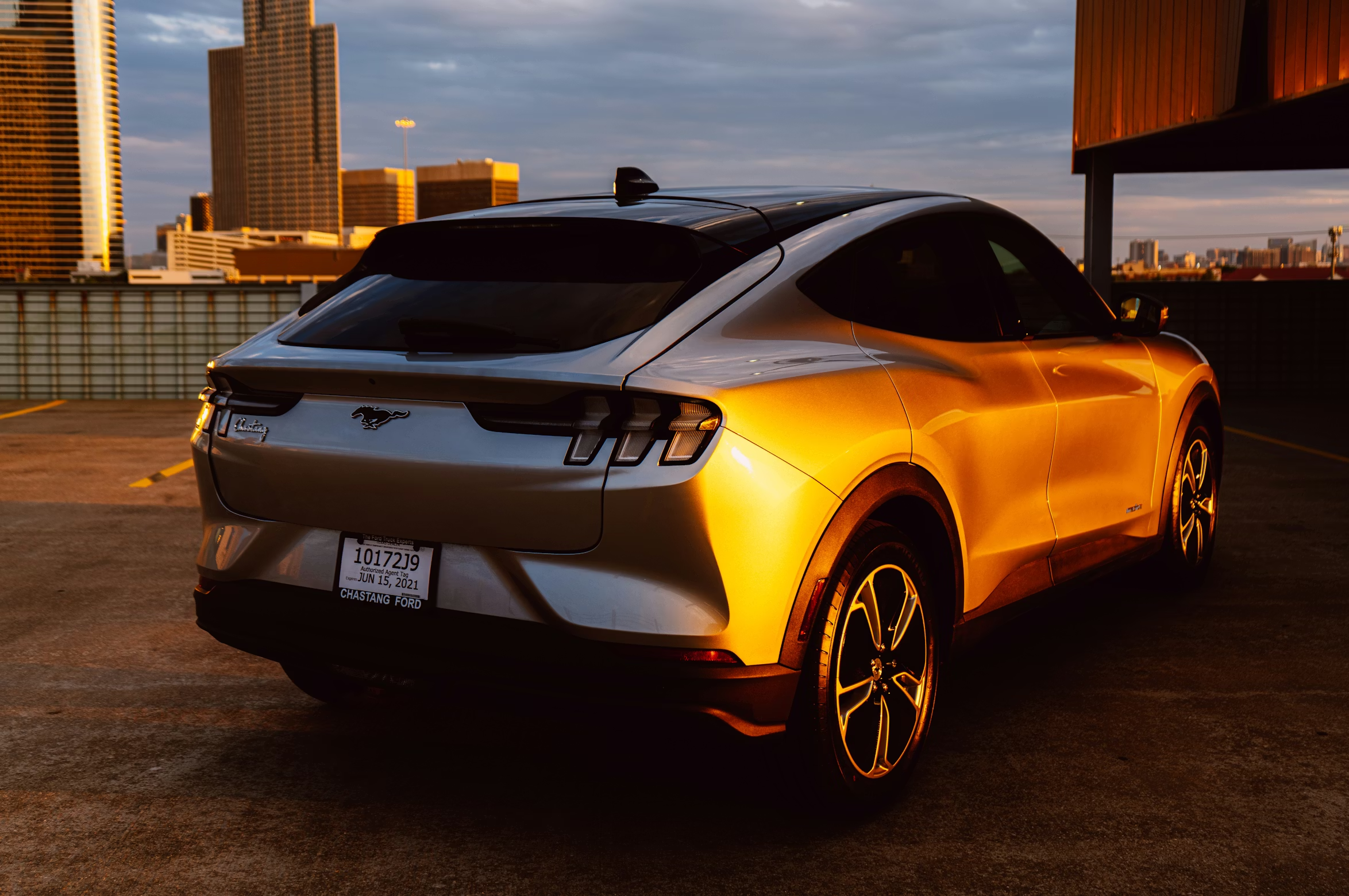
The Blue Oval, meanwhile, is having a much harder time. Ford’s EV sales collapsed 70 percent in the quarter, which is the kind of number that makes a CEO’s phone ring at 6 a.m. It comes at a particularly awkward moment — just this week Ford announced a massive internal reorganization aimed at speeding up EV development and cutting costs. The timing suggests Dearborn knows exactly how much ground it has to make up.
The Mach-E was supposed to be Ford’s EV answer, borrowing the Mustang name to generate enthusiasm, and the Lightning was supposed to transform the F-150 franchise into an electric juggernaut. Neither has delivered the volume Ford needed. Whether the upcoming small electric pickup on Ford’s new Universal EV Platform can turn things around is probably the single most important question in Dearborn right now.
The Takeaway
The EV market isn’t dying — it’s just sorting itself out. The early hype cycle is over, the federal incentive sugar rush has worn off, and buyers are making more rational choices based on price, range, and how much they trust the brand to still be around in five years. Tesla is still dominant. Toyota is playing its usual long game and winning. And Detroit is scrambling to figure out what went wrong.
For anyone who grew up watching the Big Three slug it out with imports in the ’80s and ’90s, this should feel familiar. The playbook changes, but the fight is the same — build what people actually want at a price they can afford, or watch somebody else eat your lunch.