Bloomberg report says SpaceX and friends are propping up Tesla’s pickup numbers
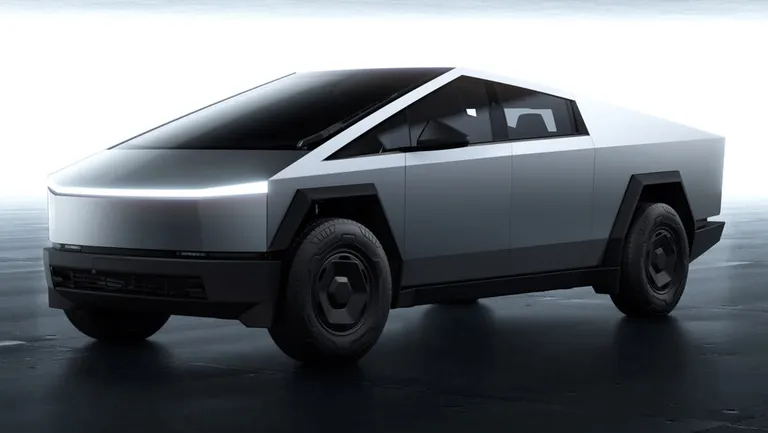
Well, this is an interesting way to move metal off the lot. According to a new Bloomberg report, roughly 20 percent of all Tesla Cybertrucks on the road aren’t sitting in some enthusiast’s driveway — they’re registered to other companies Elon Musk happens to own. Turns out when your truck sales start looking a little thin, it helps to have a few billion-dollar side businesses ready to write a check.

The Numbers Behind the Numbers
Here’s what Bloomberg dug up. Of the 7,071 Cybertrucks sold in Q4 2025, 1,279 of them went to SpaceX, xAI, The Boring Company, or Neuralink — all companies in the Musk empire. The lion’s share reportedly ended up at SpaceX. That works out to a hair over 18 percent of sales in the quarter, and the report says the same trend is continuing into Q1 of this year.
Now here’s the kicker that’ll raise an eyebrow for anyone who’s ever run a dealership or followed the industry closely: if you strip those intra-empire sales out of the equation, Cybertruck registrations in Q4 would have dropped by 51 percent. That’s not a soft patch — that’s a cliff. And it’s the kind of accounting detail that would’ve had the SEC sniffing around back when GM and Chrysler were accused of “channel stuffing” dealers with unsold iron in the late ’90s and 2000s.
A Truck That Divides a Room

Look, whatever you think of the Cybertruck — and opinions on this thing range from “future of the pickup” to “what the hell were they thinking” — you can’t deny it does some stuff right on paper. Tri-motor performance, genuine towing capability, and a drag coefficient better than most sports cars. The problem has always been everything wrapped around those numbers.
The styling is a love-it-or-hate-it proposition in a segment where truck guys have strong opinions about what a truck should look like. For a crowd raised on square-body Chevys, first-gen Raptors, and Dodge Ramchargers, the stainless-steel doorstop aesthetic is a tough sell. Add in Musk’s various political side quests and the quality gremlins that have plagued early builds, and you’ve got a machine fighting uphill from the moment it leaves the factory.
Trouble in Fremont
The bigger picture isn’t great for Tesla right now. Sales have been sliding over the past year as real competition finally shows up — the Chinese brands are eating Tesla’s lunch in their own backyard, and legacy domestic and foreign makers have caught up on quality in the U.S. market. The Model S and Model X have been discontinued, the long-promised new Roadster is still a no-show, and the Cybertruck clearly isn’t carrying the load it was supposed to.
None of this stopped Tesla’s board from handing Musk a pay package late last year that could turn him into a trillionaire if he hits certain milestones — things like delivering 20 million vehicles and a million robotaxis. Ambitious doesn’t begin to cover it. For context, Ford sold about 67 million vehicles in its first 50 years. Tesla’s betting on 20 million in what amounts to a rounding error by comparison.
What Might Actually Save the Day
There is a faint light at the end of the tunnel. Word is the cheap, sub–Model 3 EV that got shelved might be back on the table, and a rumored “cooler than a minivan” vehicle could help drag the lineup back into growth. Which, when you think about it, is a pretty low bar — most things are cooler than a minivan, including the minivan your dad drove in 1989 that at least had wood paneling.
The Takeaway
Pickups have always been the backbone of American motoring. From the ’48 F-1 to the SVT Lightning to today’s crop of half-ton monsters, they’re the vehicles that built this country’s roads and hauled its lumber. For Tesla to crack that market, it needs a truck that actual truck buyers want — not one that has to get bought by the boss’s other companies to keep the numbers looking respectable. Detroit’s been watching this story carefully, and somewhere in Dearborn, a Ford exec is probably smiling into his coffee.