In the early 1980s, the American V8 was in trouble. Emissions rules and fuel economy targets had squeezed the big engines hard. Detroit’s engineers needed another way to make power, and many of them found it in a small turbine spinning on the exhaust.
For about a decade, turbocharged fours and sixes regularly outran the V8s that were supposed to be the real performance cars. Here are ten of them, from a personal luxury coupe to a front-wheel-drive hatchback, in the order they arrived.
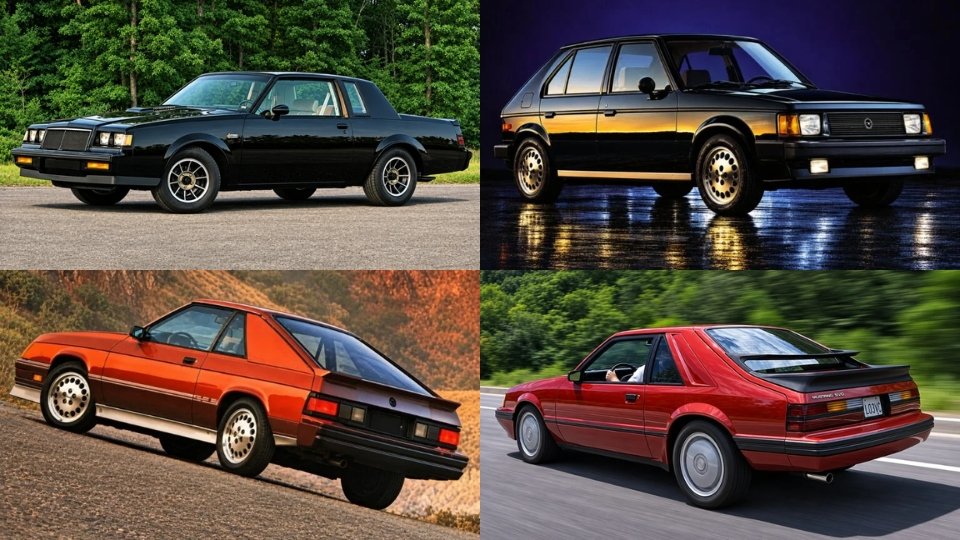
The 10 1980s Turbo Cars That Outran America’s V8 Muscle
1. 1983 Ford Thunderbird Turbo Coupe
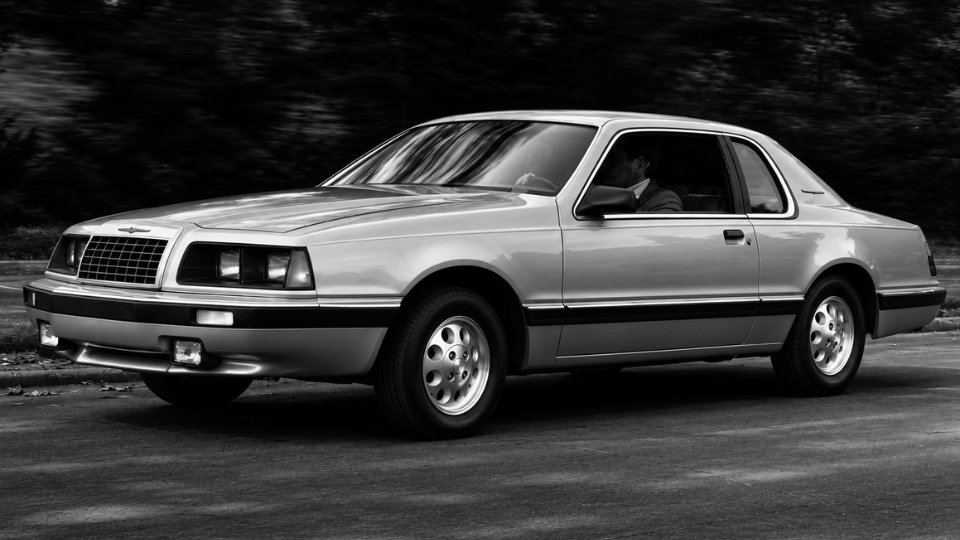
Ford’s new aerodynamic Thunderbird for 1983 came with an unexpected flagship: a 2.3-liter four with a turbocharger. Consumer Guide lists it at 145 horsepower and 180 lb-ft, and in its first year it came only with a five-speed manual. A dashboard switch let the driver choose between regular and premium fuel.
The best version came later. For 1987, Ford added an intercooler, and Jalopnik notes that the five-speed car was rated at 190 horsepower, while the automatic was detuned to protect the transmission. The car also had a computer-controlled suspension. Ford marketed it as a “new category of automobile,” and the Turbo Coupe stayed in the lineup through 1988.
2. 1984 Buick Regal Grand National
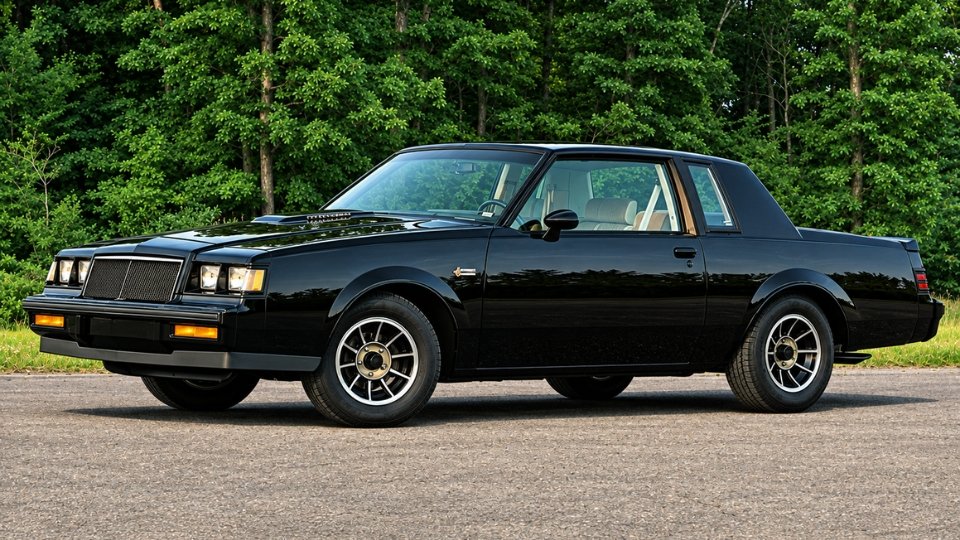
Buick’s Grand National began in 1982 as an appearance package, and GNTType.org notes that only 16 of the first 215 were turbocharged. For 1984, the black Grand National arrived with Buick’s turbocharged 3.8-liter V6, rated at 200 horsepower, and 2,000 were built.
Then Buick kept improving it. Output rose to 235 horsepower for 1986, and production climbed to 5,512. For 1987, the rating went to 245 horsepower and Buick built 20,193 Grand Nationals. Sports Car Market cites a 13.8-second quarter mile for the 1986 car.
3. 1984 Ford Mustang SVO
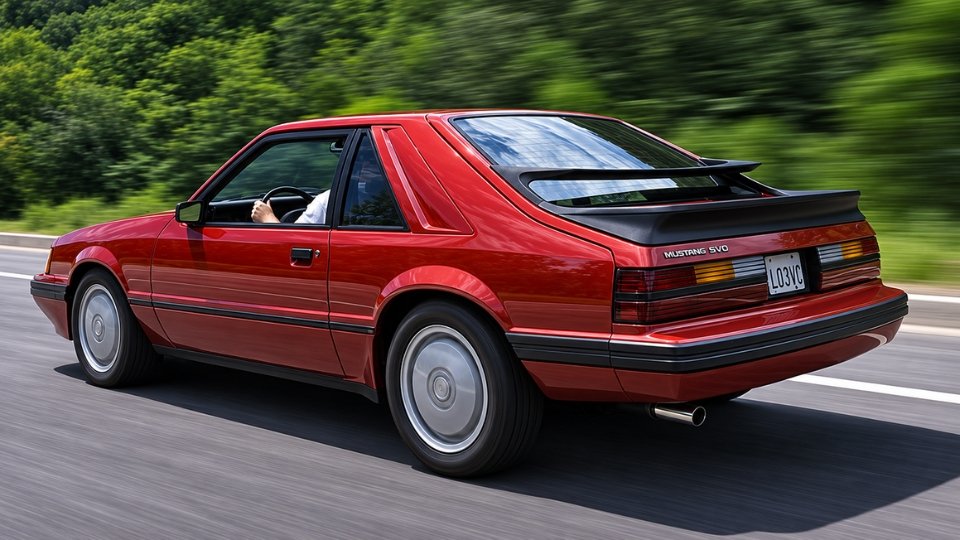
Ford’s Special Vehicle Operations, the company’s racing division, built a Mustang without a V8 and charged more for it. Wikipedia lists the 1984½ SVO at $15,585, about $6,000 more than a Mustang GT.
What buyers got was a 2.3-liter turbo four with an air-to-air intercooler, which Wikipedia calls a first for a domestic American car at the time. It made 175 horsepower at first and up to 205 in 1985½. A hood scoop fed the intercooler, a Hurst shifter was standard, and the SVO was the first Mustang with four-wheel disc brakes, borrowed from the Continental Mark VII.
The price was the problem. Ford built 9,844 SVOs from 1984 to 1986.
4. 1984 Dodge Daytona Turbo Z
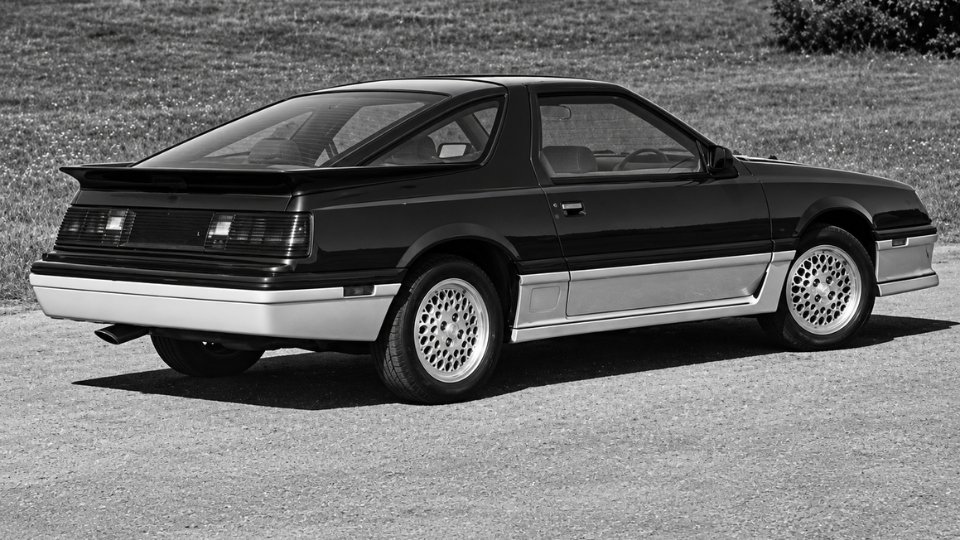
The Daytona was Dodge’s front-wheel-drive sport coupe. For 1984, the top Turbo Z combined the 2.2-liter Turbo I four with 142 horsepower, Mark Cross leather and other luxury touches, according to Wikipedia. Its twin was the Chrysler Laser.
It was also a volume car: Dodge built 49,347 Daytonas of all versions for 1984 alone. By 1987, the Shelby Z version had the intercooled Turbo II, rated at 174 horsepower and 200 lb-ft, with a heavy-duty transaxle and four-wheel disc brakes.
5. 1985 Dodge Shelby Charger Turbo
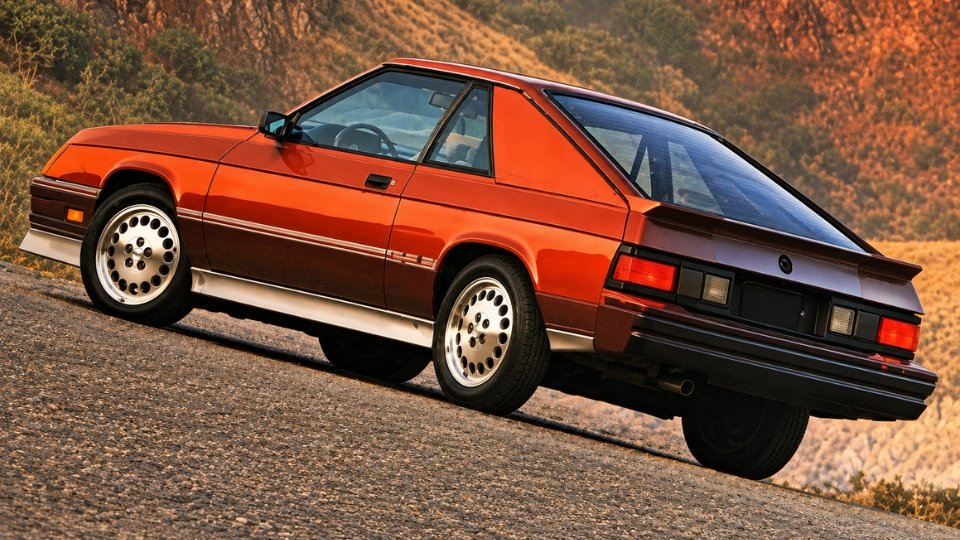
The Shelby Charger began as a Carroll Shelby makeover of the Dodge Charger for 1983, and that first version was not turbocharged. Its 2.2-liter four had raised compression and 107 horsepower, and most of the changes were to the suspension and styling, Wikipedia notes.
For 1985, the Shelby Charger got the Turbo I with a Garrett T3 turbocharger and multi-point fuel injection, rated at 146 horsepower. Dodge built 7,709 Shelby Chargers that year. In 1987, Shelby bought 1,000 of the last cars and converted them into Shelby GLHS models with 175 horsepower.
6. 1986 Shelby Omni GLHS
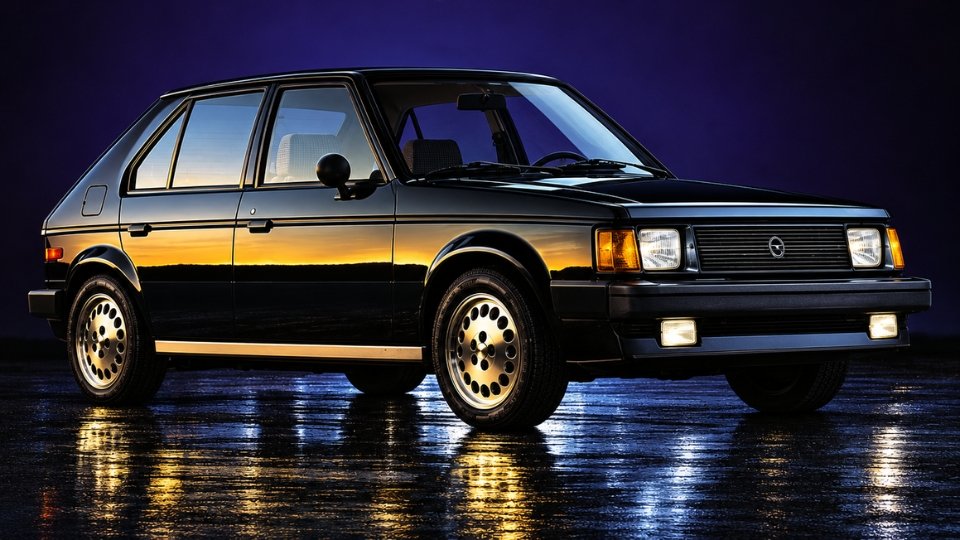
The name said it all. GLH stood for “Goes Like Hell,” and the GLHS for “Goes Like Hell S’more.” Shelby took 500 Dodge Omni GLH hatchbacks, already the hottest version of Dodge’s small economy car, and converted them in his own shop, according to Wikipedia. Each got a numbered dash plaque.
The intercooled 2.2-liter four made 175 horsepower and 175 lb-ft. Wikipedia lists 0 to 60 mph in 6.5 seconds, a 14.8-second quarter mile and a top speed of 135 mph, from a front-wheel-drive economy car.
7. 1987 Buick GNX
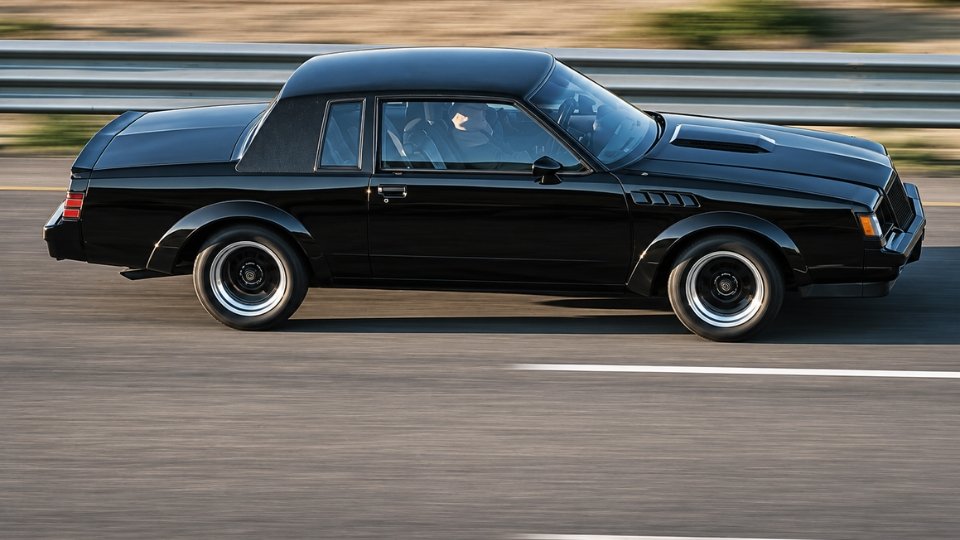
The GNX was the Grand National’s farewell, and it went out loud. Buick sent 547 Grand Nationals to McLaren Performance Technologies and ASC, according to Sports Car Market. McLaren fitted a Garrett T-3 turbo, a larger intercooler, a dedicated engine computer and dual exhaust. ASC stiffened the chassis, added a ladder bar and special wheels.
Buick rated it at 276 horsepower and 360 lb-ft, though SCM suggests the real figure was over 300. Super Stock & Drag Illustrated reported that it outran a Mustang GT, a Firebird GTA and a Camaro IROC-Z.
It cost $29,290 new, against $16,617 for a regular Grand National. In October 2014, a GNX sold for $105,300 at Mecum’s Chicago auction.
8. 1987 Shelby CSX
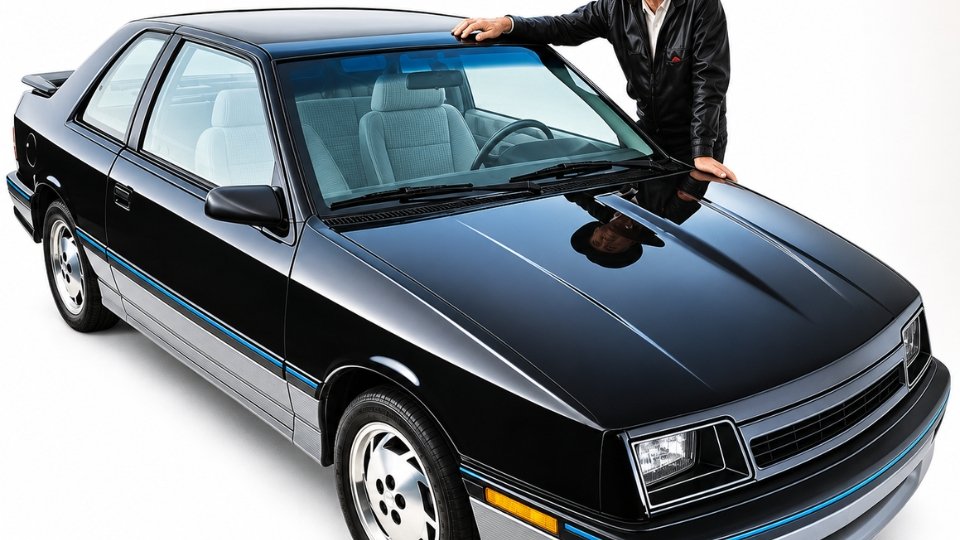
Shelby’s next project started from a Dodge Shadow. For 1987, Shelby built 750 CSXs, all black, at $13,495, according to Wikipedia. The intercooled Turbo II produced 175 horsepower and 175 lb-ft.
The 1989 CSX-VNT was the technical high point. It used a Garrett variable-nozzle turbocharger, which Wikipedia calls the first use of that technology in a production car. Torque rose to 205 lb-ft at just 2,100 rpm, and the car rode on Shelby-designed composite wheels. Production was limited to 500, though Wikipedia’s own breakdown cites a lower figure.
9. 1989 Pontiac Turbo Trans Am
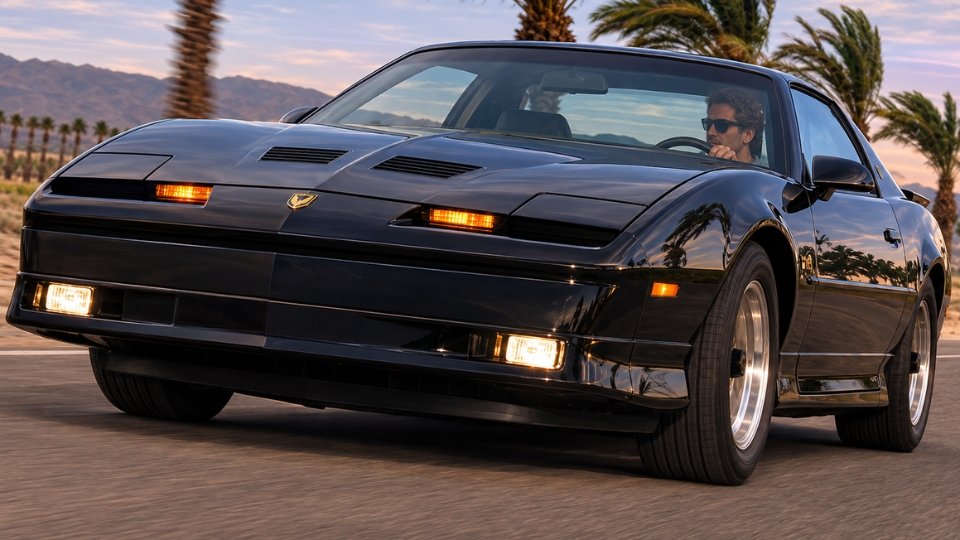
For the Trans Am’s 20th anniversary, Pontiac borrowed Buick’s turbo V6. Prototype Automotive Services in California built the engines, with new cylinder heads and a revised turbocharger, according to Driving Line. The official rating was 250 horsepower. TurboTransAm.com, which documents the cars, says it made about 301 on GM’s dyno.
Magazine tests varied. TurboTransAm.com lists Car and Driver at 4.6 seconds to 60 mph and 13.4 seconds in the quarter mile, while Motor Trend recorded 5.4 and 14.18. A Turbo Trans Am paced the 1989 Indianapolis 500, and the pace cars ran without performance modifications.
Pontiac built 1,555. Driving Line suggests the modest rating was meant to avoid upsetting the Corvette team.
10. 1989 Pontiac Grand Prix Turbo
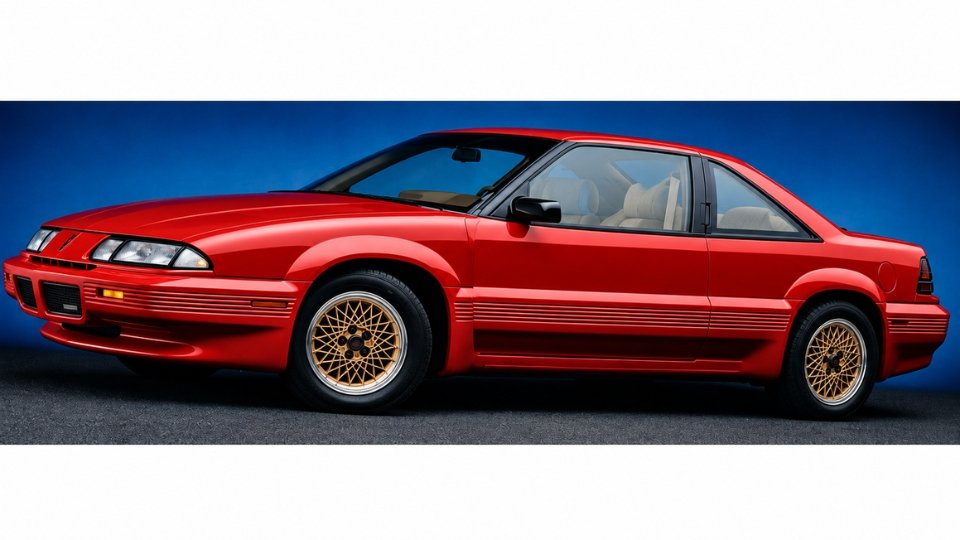
The last car on the list came from the other end of Pontiac’s range. For 1989 and 1990, the front-wheel-drive Grand Prix coupe was offered with a turbocharged 3.1-liter V6 built by McLaren. ASC added hood louvers, body flares and suspension modifications.
Barn Finds puts output at a little over 200 horsepower and 220 lb-ft of torque, against just over 130 horsepower for the standard engine, and estimates production at around 3,500. Those are approximate figures, and published numbers vary.
The Decade the V8 Lost
By 1990, the turbo era was fading. The Grand National and GNX were gone, the SVO and Turbo Coupe had been dropped, and the Turbo Trans Am had been a one-year car. For about a decade, though, the fastest way to embarrass a V8 in America was a smaller engine with a turbocharger, and several of these cars are still remembered for exactly that.