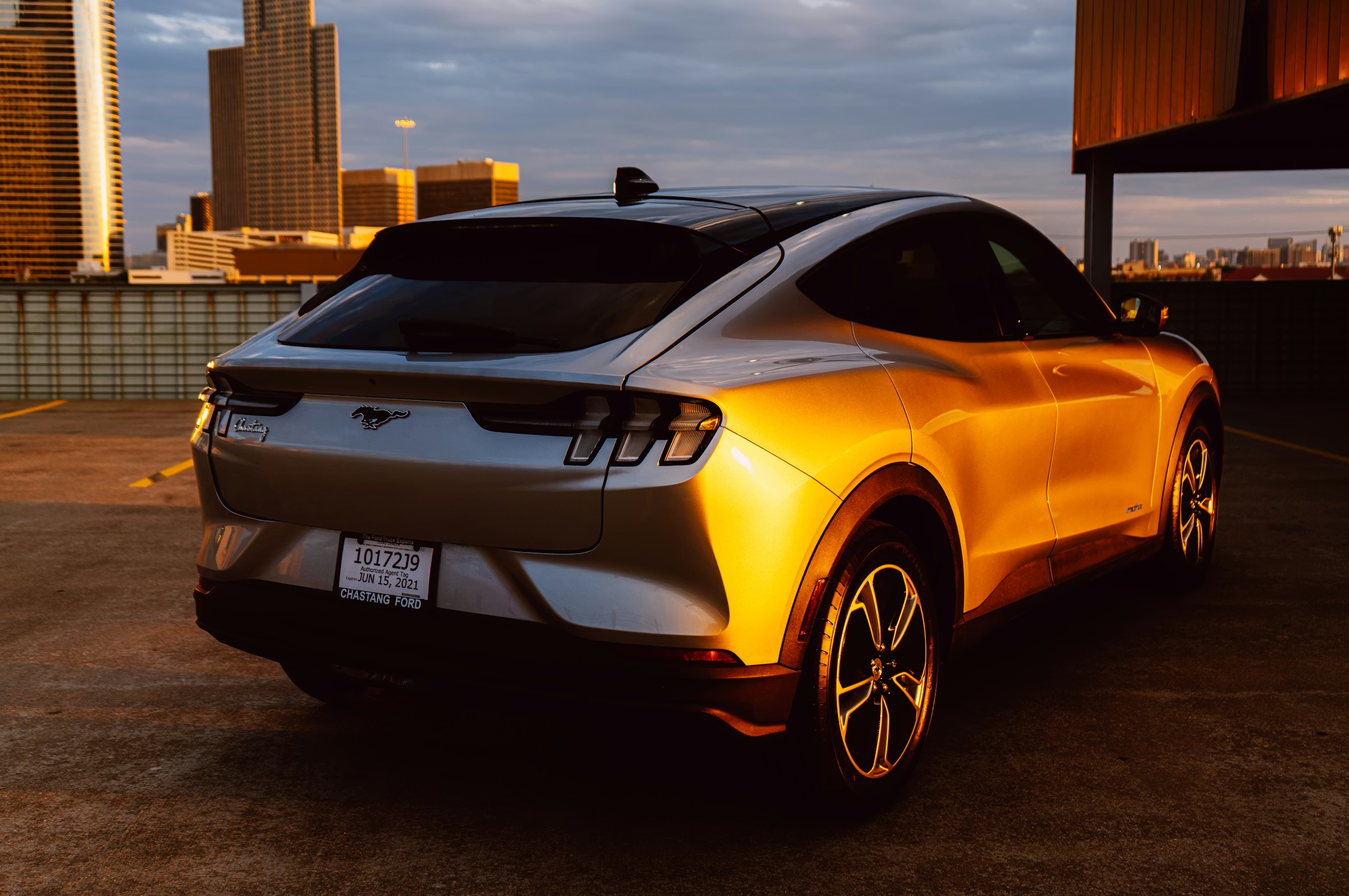
The internet has decided that America’s millionaires drive Toyotas. A “scientific study” says so, the headlines say so, and a TikTok clip by real estate investor and podcaster Brian Luebben pushed the idea past 660,000 views, according to Motor1.
There is just one problem. The research everybody is quoting says something else. Go back to the book that started it all, and the brand sitting at the top of the millionaire list is not Toyota.
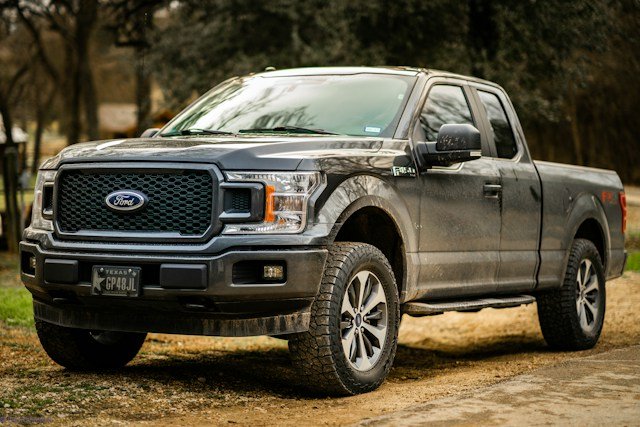
It is Ford. And the truck in the driveway is an F-150.
The Study Is Almost 30 Years Old
Nobody discovered anything new this year. The source is The Millionaire Next Door, published in 1996 by Thomas J. Stanley and William D. Danko. Stanley was a marketing professor who had taught at Georgia State University and the University of Georgia, among others, and who had spent years surveying affluent American households for books such as Marketing to the Affluent (1988) and Selling to the Affluent (1991).
His big finding had little to do with cars. Most American millionaires did not look rich. They lived below their means, saved and invested heavily, and often ran unglamorous businesses. The car in the driveway was simply where it showed.
Number One in 1996: Ford
Stanley spelled out the car numbers himself in a 2011 post on his own blog. In The Millionaire Next Door, Ford ranked first among millionaires with a 9.4 percent market share. About three in ten of those millionaire Ford owners drove an F-150.
The rest of the list looks like a Detroit dealer row. According to Shortform’s summary of the book, Cadillac came second and Lincoln third, followed by a tie between Jeep, Lexus and Mercedes-Benz. The same summary says fewer than a quarter of these millionaires drove a current model year vehicle, 37 percent bought used, and about 80 percent bought rather than leased. Those details come from a commercial summary service, not from the book itself, so the exact order deserves some caution.
The picture is still clear. The millionaire next door of 1996 drove American. Very often, he drove a Ford pickup.
Toyota Arrived a Decade Later
Toyota showed up more than a decade later. Stanley revisited the subject in Stop Acting Rich, published in 2009, and in a December 2011 blog post he wrote that Toyota had become the number one make among the vehicles millionaires had most recently bought.
Now the number that the viral headlines leave out. More than one in ten millionaires drove a Toyota, Stanley wrote. Among millionaire engineers, it was one in four.
One in ten is a long way from “most.” It made Toyota the most common single brand among recent purchases. It also means roughly nine out of ten millionaires drove something else.
Ford Never Really Left
Here is the part that gets lost entirely. In the same posts, Stanley noted that across the ten years covered by Stop Acting Rich, Ford held a combined 9.5 percent share among millionaires, practically identical to its 1996 number. Self-employed business owners, he wrote, consistently put Ford first or second, with the F-150 as their favorite.
Toyota did not replace Ford in the millionaire’s garage. It pulled up alongside it.
The Real Reason: Running Costs
Stanley’s explanation was about money, not image. In his Toyota post, he pointed to Consumer Reports’ April 2011 reliability data by manufacturer, which ranked Toyota first for the fewest problems per vehicle at five years. By that same data, he wrote, a ten-year-old BMW or Mercedes-Benz was nearly twice as likely to have problems as a comparable Toyota.
The F-150 fits the same logic from a different direction. A truck that works on a job site pays part of its own way. Stanley also noted, citing Automotive News, that the F-Series had earned Ford more than $50 billion in profit since 1990, beating highly profitable models from BMW, Mercedes-Benz, Lexus and Porsche. The truck the frugal rich preferred was one of the biggest money makers in the business.
What the Viral Version Gets Wrong
Three things. First, there is no new scientific study. The material comes from books published in 1996 and 2009 and from blog posts written in 2011.
Second, “most millionaires” is simply not in the data. Stanley’s own figure for Toyota is a little over one in ten.
Third, the Ford story is missing. The millionaire who made The Millionaire Next Door a New York Times best seller drove a domestic car, and the brand at the top of his list was the one from Dearborn.
The Man Behind the Numbers
Thomas J. Stanley died on February 28, 2015, at age 71, killed by a drunk driver. He had been working on a follow-up with his daughter, Sarah Stanley Fallaw, who completed it. The Next Millionaire Next Door was published in 2018.
His point outlived the headlines that now borrow it. The car was never the reason anyone got rich. It was a sign of how people with money chose to spend it. In 1996, for a lot of them, that meant a Ford in the driveway.